
Live casino studios are actual studio setups, not visual overlays over a random number generator sankran-casino.com. A dealer functions at a real table; cameras capture the wheel, cards or dice; a game server processes bets, limits and settlement. At Sankra Casino, we consider that distinction as the core for the live lobby: the table you enter is active in real time, and the result follows the rules of the game rather than a slot-style reel. This guide outlines how the studios work, which game categories are featured in the lobby, how bonuses and payments work with live play, and what to check before staking. We maintain the language plain because live casino products are more straightforward to judge when the mechanics and terms are apparent.
The Active Games We Place in Front of Players
The live lobby is arranged by systems rather than advertising categories. Roulette encompasses European and other wheel types; blackjack includes classic and party-style games; baccarat includes standard and speed variants; poker versions include casino hold’em and Caribbean stud where offered. Live game shows combine a presenter, a physical draw mechanism and a simple betting grid, often with bonus rounds prompted by the result. Money-wheel and dice-style games sit in the same family. We do not presume every player prefers the same pace: some tables are designed for low-stakes social play, while others are intended for higher limits and faster rounds. The lobby filters and table descriptions keep those differences explicit, and side bets are presented as optional extras because they usually hold higher house edges and extra variance.
We detail roulette by wheel and layout, not just by the name of the studio. A single-zero table gives players a reduced house edge than a double-zero table, and the layout may include call bets or neighbour bets that are not obvious from the main grid. Blackjack tables differ in pace: a seven-seat table with a chatty dealer feels unlike from a speed table that resolves hands in seconds. Baccarat is usually the most formal, with a shoe, a commission structure and a fixed drawing rule. We enumerate the bet types, the table limits and the dealer language so players can choose a table that matches their budget and comfort. That detail also helps compare live tables with their software equivalents.
Game-show tables need a different kind of reading. The presenter controls the pace, the draw mechanism is often a large wheel or a set of balls, and the betting grid is deliberately simple. Bonus rounds can multiply payouts, but they also add variance, so we review the paytable and the maximum win before joining. Poker-style live games, such as casino hold’em and Caribbean stud, require a choice rather than a single bet, which means the interface must present the dealer’s cards, the community cards and the available actions without clutter. Dice and money-wheel games sit between these formats: easy to understand, but still dependent on the physical result. We classify them by decision style so players can shift from simple bets to more involved tables without guessing.
Promotions and payments combine with live play in ways that are easy to miss. Many promotions leave out live tables from wagering or count them sportsnet.ca at a lower percentage than slots, so we read the terms before opting in. A maximum-bet rule may apply while a bonus is active, and exceeding it can cancel the bonus or the winnings. Currency conversion, payment-method restrictions and withdrawal limits can also affect a live session, especially if a player moves between tables with different stakes. We prefer to show the contribution rate, the eligible tables and the maximum bet in the cashier or promotion details. If those terms are absent, we ask support to confirm them in writing before we stake a bonus-funded bet.
Before staking, we perform a short checklist that has little to do with luck. We verify the table’s licence and studio name, the rule variant, the minimum and maximum, and whether the dealer speaks a language we understand. We test the connection and close background downloads so the stream does not stutter during a betting window. We determine a session budget and a time limit, because live tables can run continuously and the pace is set by the dealer rather than by a spin button. We also check how the operator handles disconnections, late bets and disputed rounds. Those details are usually in the help section, and they matter more than a welcome banner when real money is on the table.
How Live Casino Studios In Practice Work
A live studio is a controlled broadcast environment with a game host, physical equipment and a software layer for betting and chat. When you place a stake, the client sends it to the game server, which confirms acceptance before the outcome is settled. Streaming delay is standard, so the interface enforces a betting window and prevents late bets. Tables differ in wheel type, blackjack rules, baccarat speed, language support and stake range; a low-limit European roulette table is not interchangeable with a high-limit salon. We present the rule variant, minimum and maximum before entry because those details dictate both cost and pace. If a table’s terms are ambiguous, support should confirm them before you stake. That is the actual difference between a live table and a passive video feed.

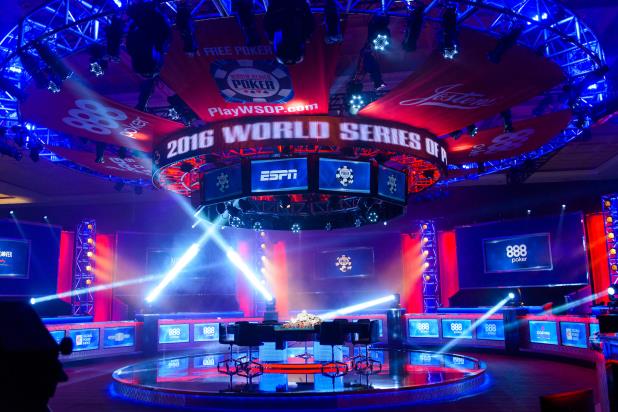
We look at the studio floor as a compact production site rather than a standalone webcam. Several tables usually share one secure location, with dealers rotating between pits and supervisors checking procedures. Cameras are fixed to angles that keep the wheel, cards and chip tray visible, while lighting is set to reduce glare on screens and felt. Many operators maintain backup power, duplicate network routes and spare equipment because a dropped stream is a service failure, not a cosmetic glitch. Compliance teams also check dealer scripts, table layouts and recording retention. When we appraise a live lobby, we question whether the studio publishes its location, licensing details and table procedures, since those facts tell us more than a polished landing page.
The software layer matters because it converts a physical event into a verifiable result. In blackjack, card shoes can use optical recognition to read ranks as they are drawn; in roulette, the wheel may transmit spin data to the platform; goal.com in some studios, RFID chips aid track bets on the layout. The game server records the dealer action, the accepted wagers and the settlement, then delivers the outcome to the client. We prefer tables where the interface shows the last results, the betting timer and the table ID, because those elements help players confirm they are on the same table they selected. If a result is disputed, the operator should be in a position to retrieve the round record and video reference.